




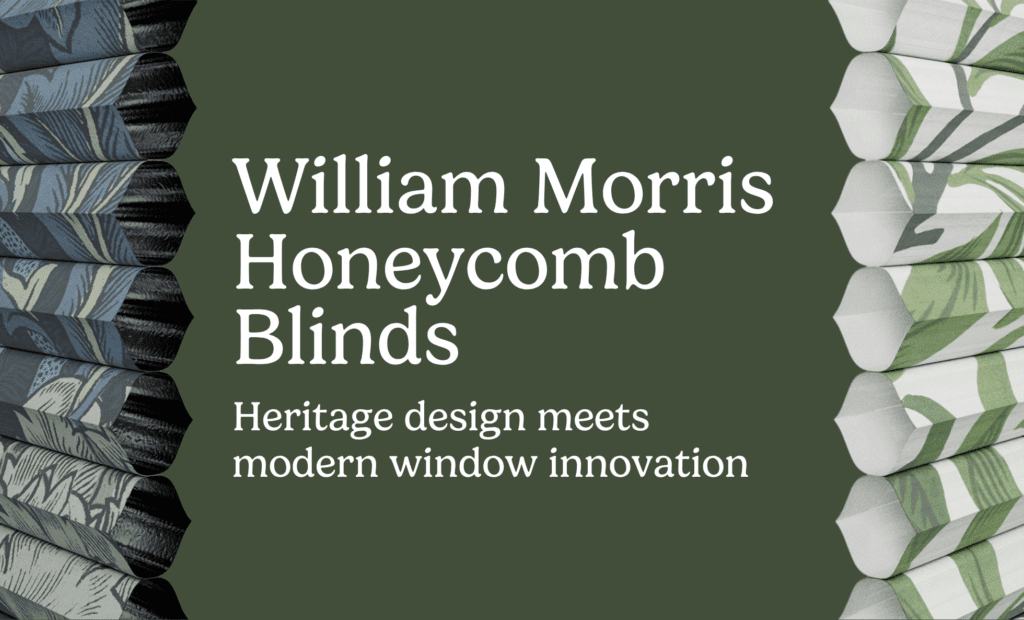
Few designers have shaped the language of interiors quite like William Morris. A pioneer of the Arts & Crafts movement, Morris believe that the objects we live with every day should be both beautiful and useful, thoughtfully made, richly detailed and grounded in nature.
More than a century later, his intricate botanicals and rhythmic florals remain as relevant as ever. They speak to craftsmanship, authenticity and a connection to the natural world. These are qualities that continue to resonate in contemporary homes.
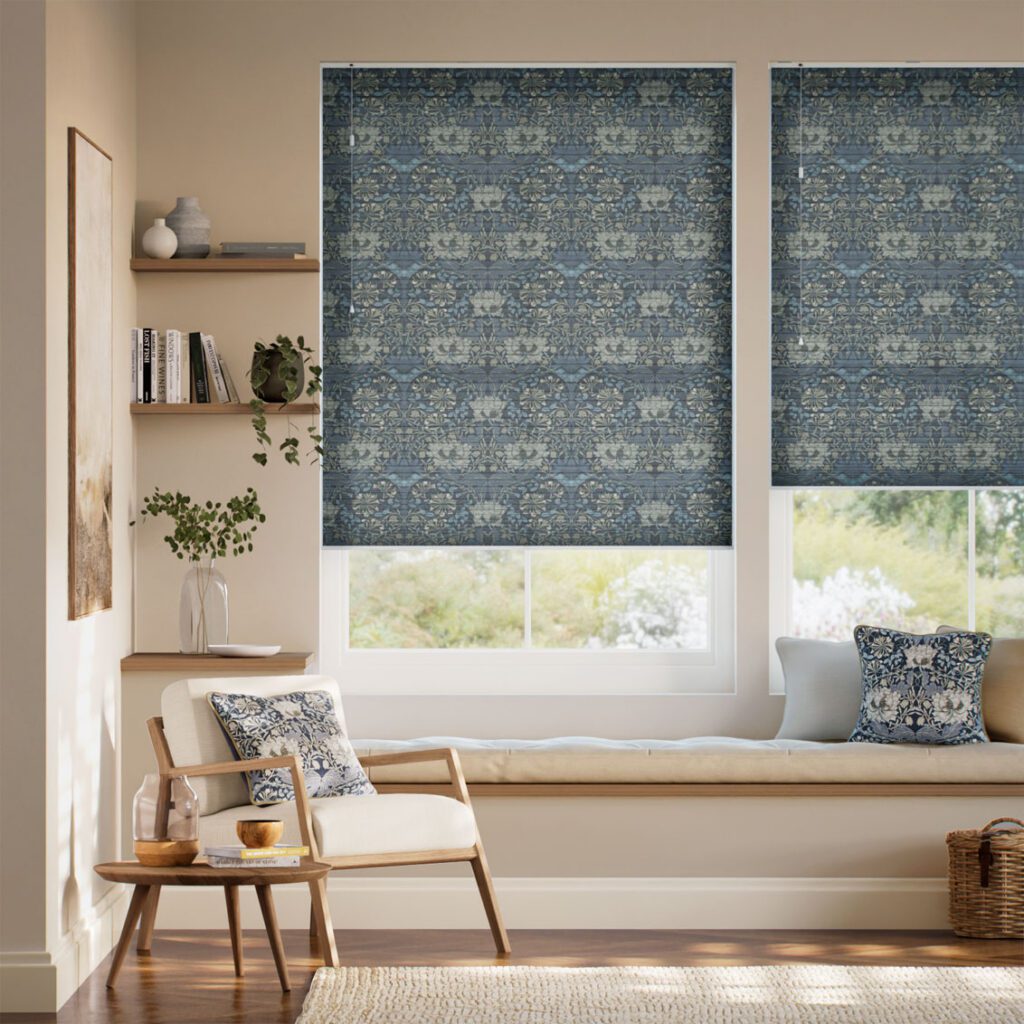
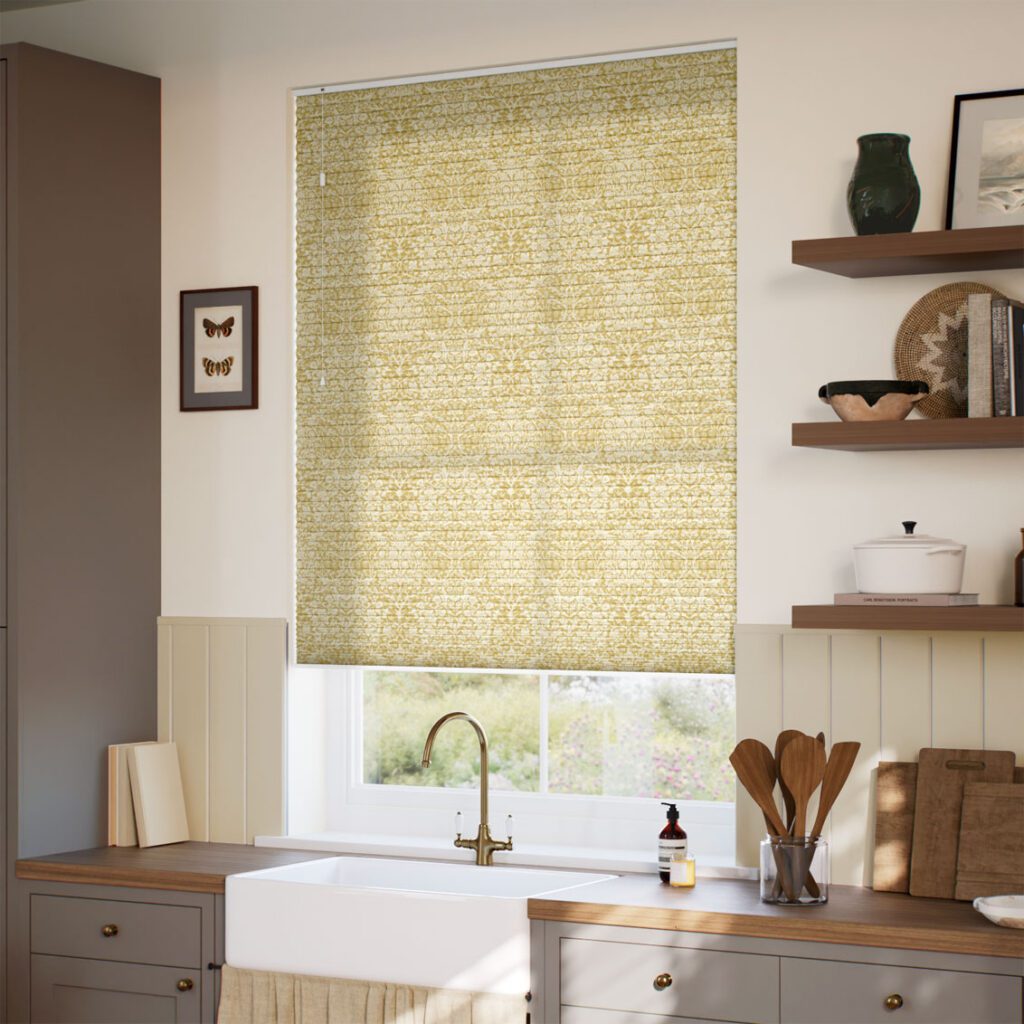
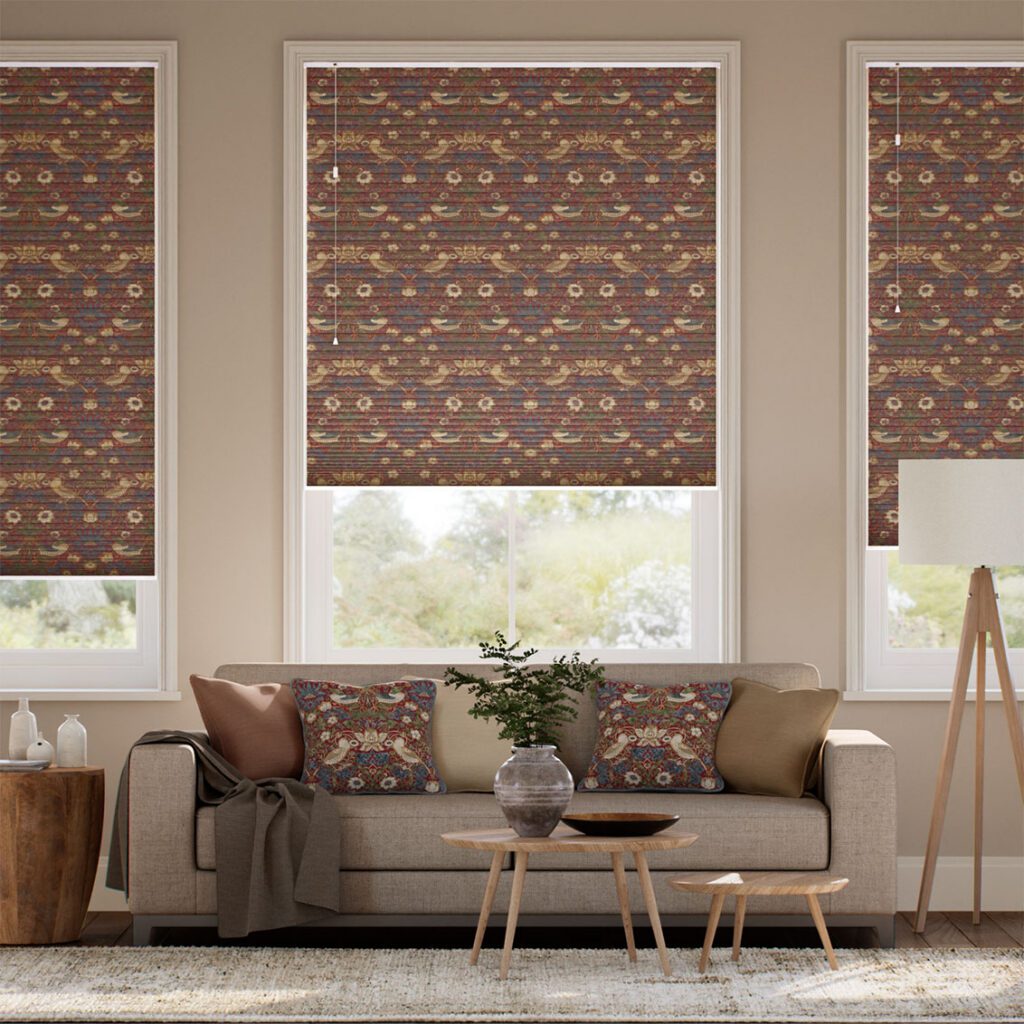
Today, that enduring design legacy is regimagined through a collection in collaboration with the V&A, and at Tuiss we’ve expanded the collection from roller blinds, roman blinds and curtains, to now also include printed honeycomb blinds. A meeting of heritage artistry and intelligent engineering.
A Legacy of Pattern and Purpose
Morris rejected unnecessary ornamentation in favour of intention design. His patterns were immersive yet balanced, intricate yet harmonious. They were created not simply to decorate a room, but to shape its atmosphere.
Bringing these iconic prints to window furnishings allows them to take centre stage in a space. Windows become more than functional elements, they become design features.
Yet in true Morris spirit, beauty is always paired with purpose.
How William Morris Honeycomb Blinds Work
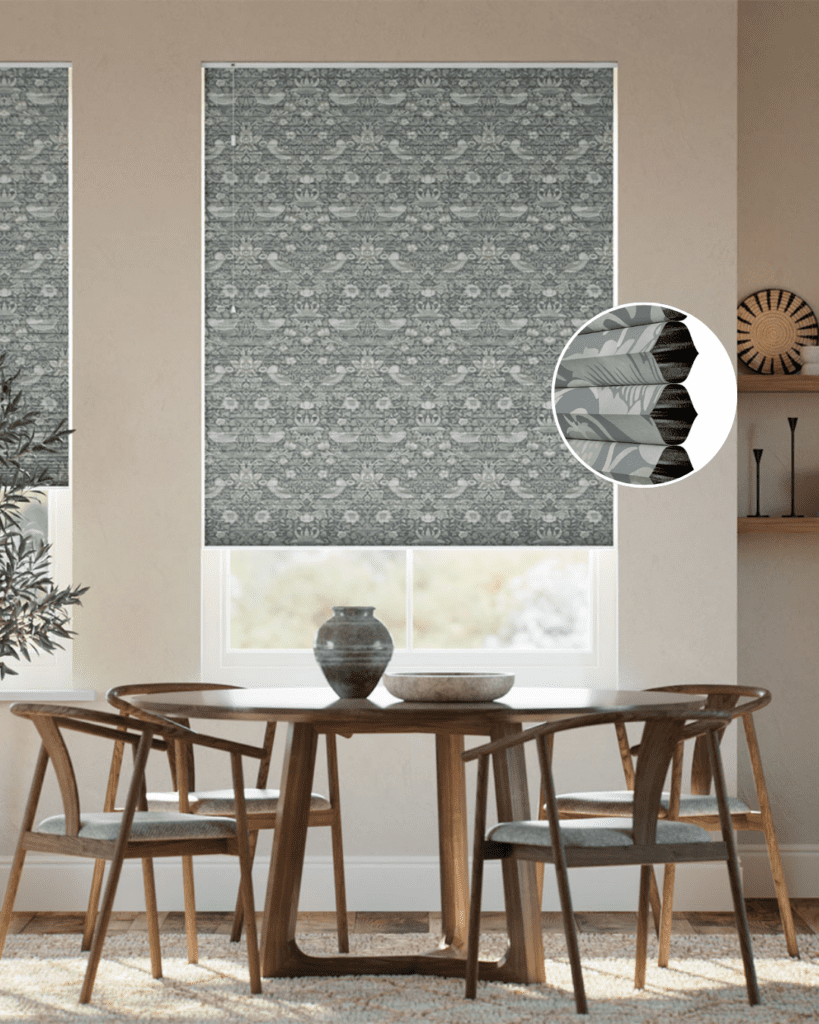
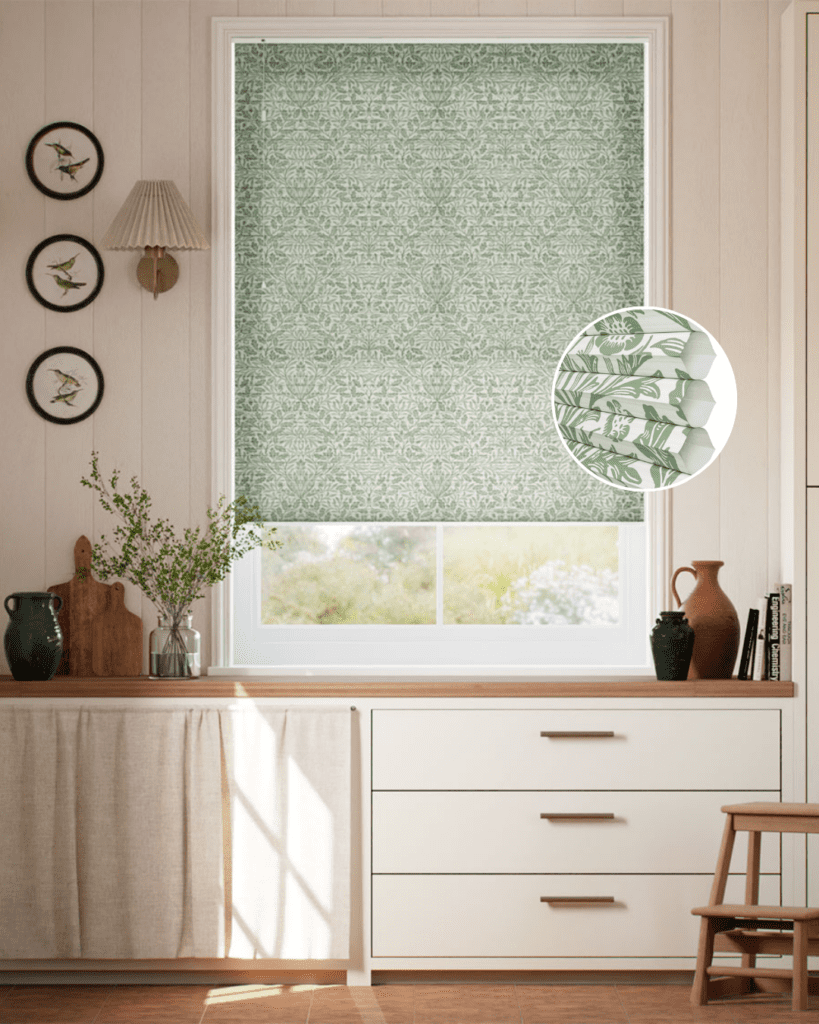
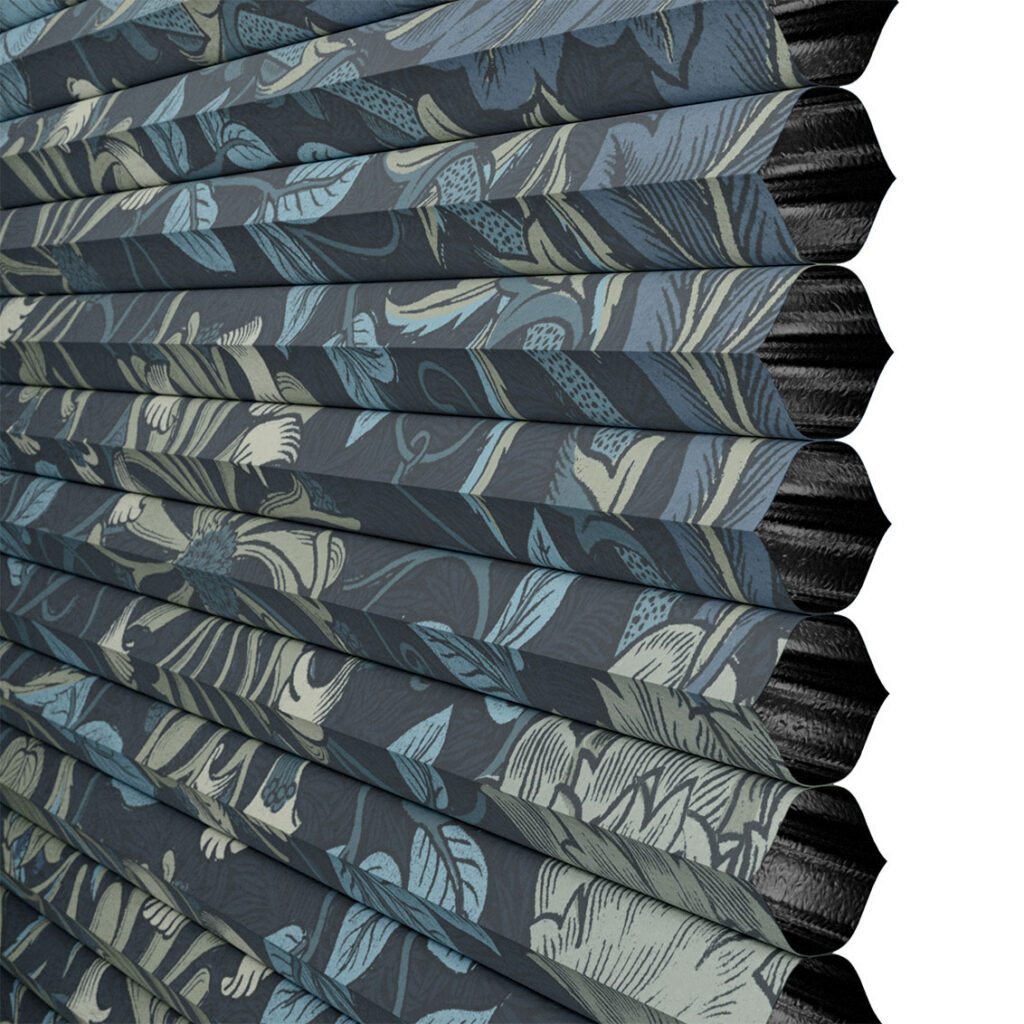
Honeycomb Blinds, also known as cellular blinds are defined by their distinctive pleated construction. When extended, the fabric forms a series of structured, layered cells that resemble a honeycomb in cross-section. These air pockets act as a barrier between the window and the interior, helping to regulate temperature throughout the year.
When raised, the pleated cells compress neatly together, stacking into a slim profile at the top of the window. This allows for a clean architectural look and maximises natural light when the blind is open.
It is this balance of softness and structure that makes honeycomb blinds uniquely versatile. They are refined in appearance, yet highly technical in their performance.
Designed for Thermal Efficiency
The honeycomb design is more than an aesthetic detail. The trapped air within each pleat creates an insulating layer, helping to reduce heat transfer through the glass.
For enhanced performance, blackout thermal versions feature aluminium lining within the cells. This reflective lining helps minimise heat gain in summer and reduce heat loss in winter, supporting a more energy efficient home environment.
The result is a window covering that contributes to comfort in both warmer and cooler months, quietly working in the background while maintaining visual appeal.
Light Filtering or Blackout
The William Morris printed honeycomb collection is available in both light filtering and blackout options, allowing the aesthetic to be tailored to the needs of each space.
Light filtering fabrics gently diffuse daylight, softening glare while maintaining privacy. They are ideal for living areas and spaces where ambient light is welcome.
Blackout options provide a higher level of room darkening, making them well suited to bedrooms or media rooms. With the insulating cellular structure, they support both comfort and rest.
Honeycomb blinds have typically been available in a range of plain colours, and this new collection is a first for Tuiss, with William Morris iconic prints adding artful sophistication to what has often been a ‘functional’ blind rather than a beautiful one.
Heritage in a Modern Interior
While Morris’ patterns originated in the 19th century, their adaptability is part of their enduring appeal.
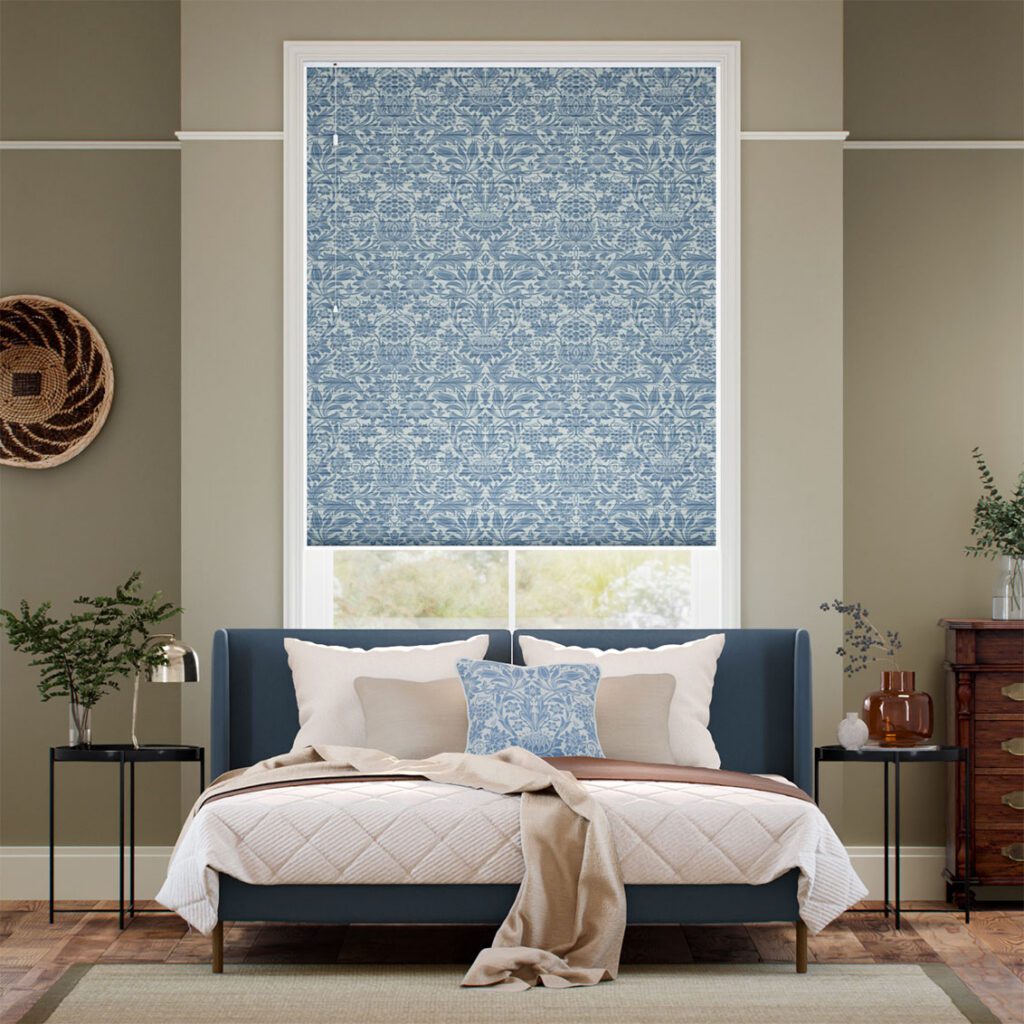
In period homes, printed honeycomb blinds offer a sympathetic update, preserving decorating richness while introducing improved thermal efficiency and refined light control.
In contemporary settings, the same prints can soften clean architectural lines. Paired with natural timbers, stone surfaces and layered textiles, their introduce depth and character without overwhelming a space.
The effect is considered rather than nostalgic, leaning into heritage that has been interpreted through a modern lens.
A Contemporary Expression of Craft
William Morris famously encouraged us to have nothing in our homes that we do not know to be useful or believe to be beautiful.
By combining iconic design with advanced cellular construction, this collection available exclusively through Tuiss Blinds Online, honours that philosophy. It demonstrates that performance and artistry are not opposing ideas, but complementary ones.
The result is a window furnishing that contributes to comfort, energy efficiency and atmosphere. A thoughtful evolution of heritage for contemporary living.